Dormant nodes
Riders appear as individual points with faint connection hints based on pace and timing preferences you share with us.
This page explains how routes may emerge when riders align on direction, pace, and departure rhythm. Descriptions are illustrative; actual rides are arranged through direct contact, not live automated matching.
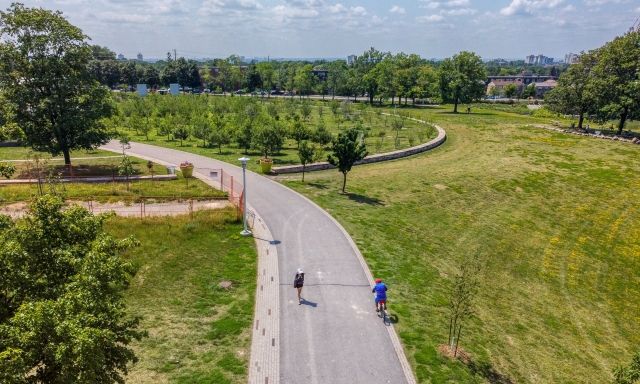
Each ride flow can be thought of as part of a wider coordination picture. When enough compatible riders share timing and pace, a group route may take shape after we discuss options together.
Groups may adjust when pace diverges or reunite when riders match again — mirroring how collective cycling often unfolds on the road.
Discuss your flow profileThe steps below describe a conceptual flow from solo riding to group motion. They are educational examples, not live status updates from a tracking system.
Riders appear as individual points with faint connection hints based on pace and timing preferences you share with us.
Compatible participants may find it easier to ride together as shared timing windows narrow.
Shared velocity stabilises and route lines pulse with the group's collective energy level.
Weather shifts, traffic density, and daylight all influence how we discuss route options and group merges when you enquire.
Groups may tighten formation or shorten routes when resistance increases along exposed corridors.
Evening flows favour reflective gear reminders and slower merge thresholds for safety.
Tell us about your typical pace band and departure habits. We will discuss compatible riding opportunities around Carlisle based on your message — there is no automated matching service on this site.
Explore micro rides